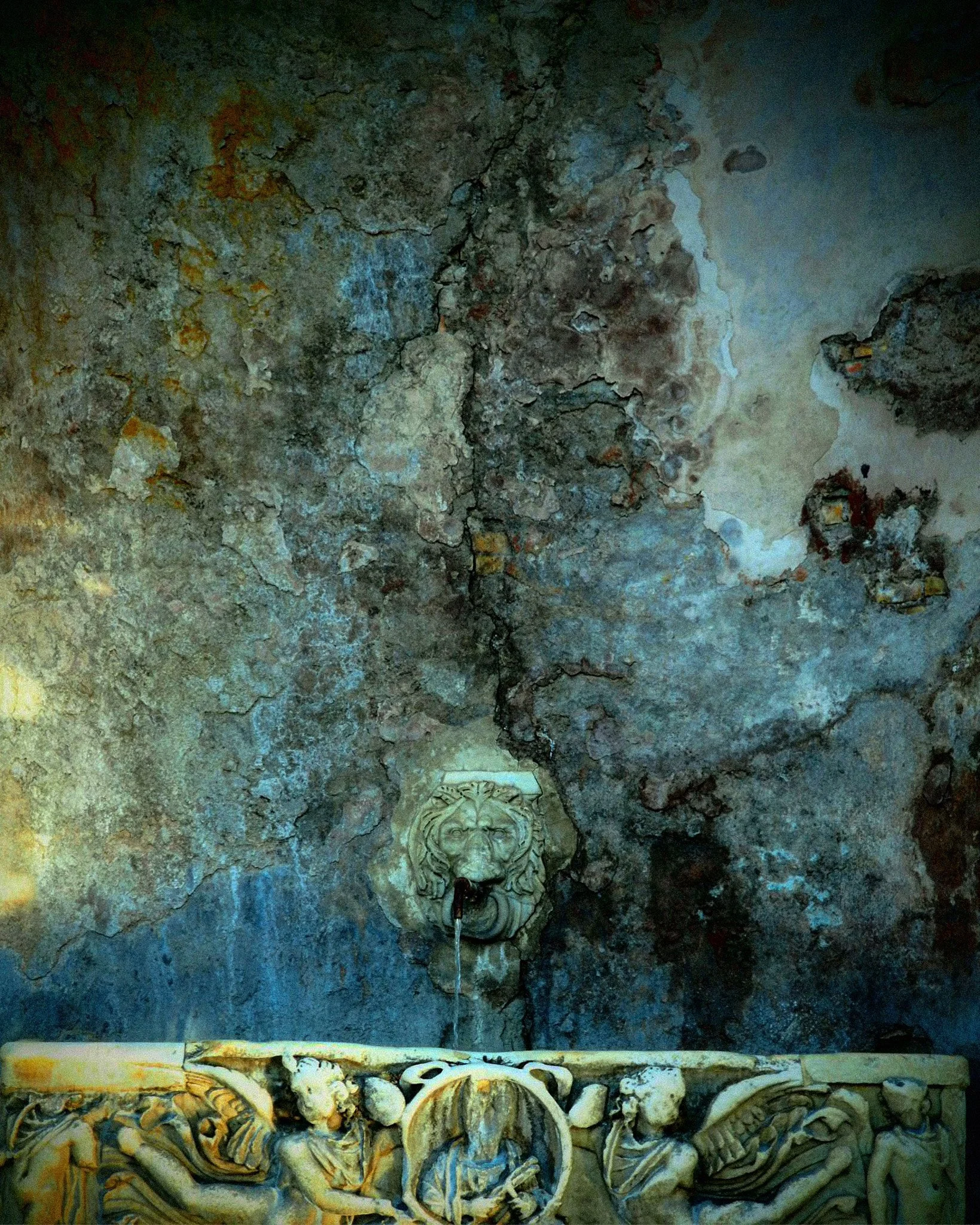
Writer, of gardens and art spaces.
Doctoral Researcher at Tate.
Eco-Artist.
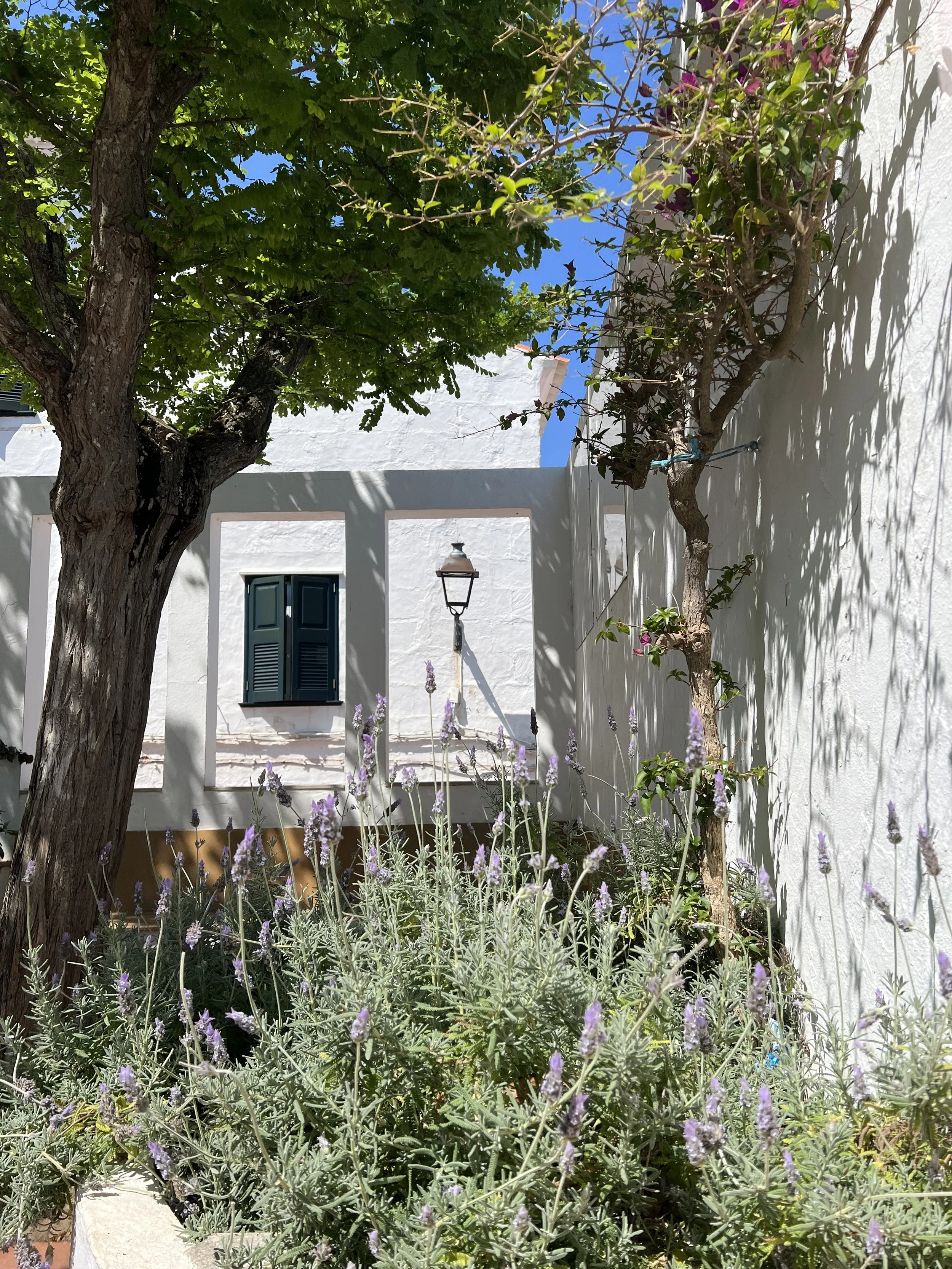
Away. Es Mercadal, 2024.
My research and writing is situated in the pursuit of inclusive place and belonging in gardens, art spaces and other cultural landscapes, observing how, and why people feel connected to the places they inhabit. Whether across tactile, or digital dimensions, my work is especially drawn to the architectures of place as lived, and recollected experience. This may be gathered through the histories, rituals, objects, plants, memories and sensory encounters through which place, and the belonging of it, becomes meaningful.
"I am Galician by heritage, sculpted by the wilderness and solemn grace of an unforgiving Atlantic coastline, and a thousand rivers that guide the memory of a land once our own. My soul remembers, though I spent my childhood as the daughter of emigrants, placed in an industrial Yorkshire. I eventually escaped to the Dales. I just couldn't keep up with the city. I have lived, and searched for a greater purpose in proximity to nature, writing to birdsong across Maui and New Zealand. I then became a mother on the Balearic island of Menorca, my most treasured adventure so far. Now I write from my kitchen table, overlooking the Sperrin Mountains of Ireland."
Writing and Publications
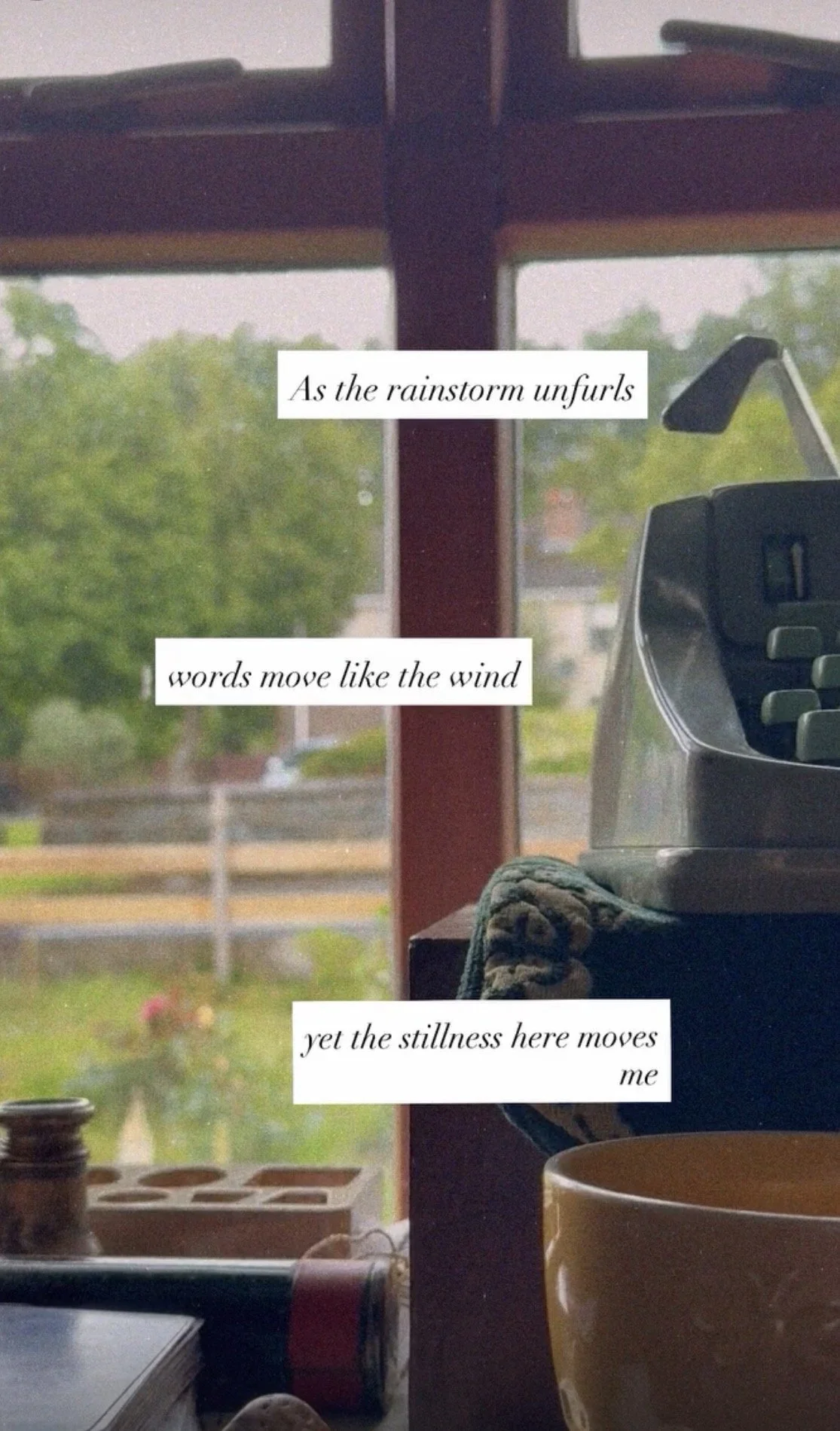
The office. Sperrin Mountains, 2026.
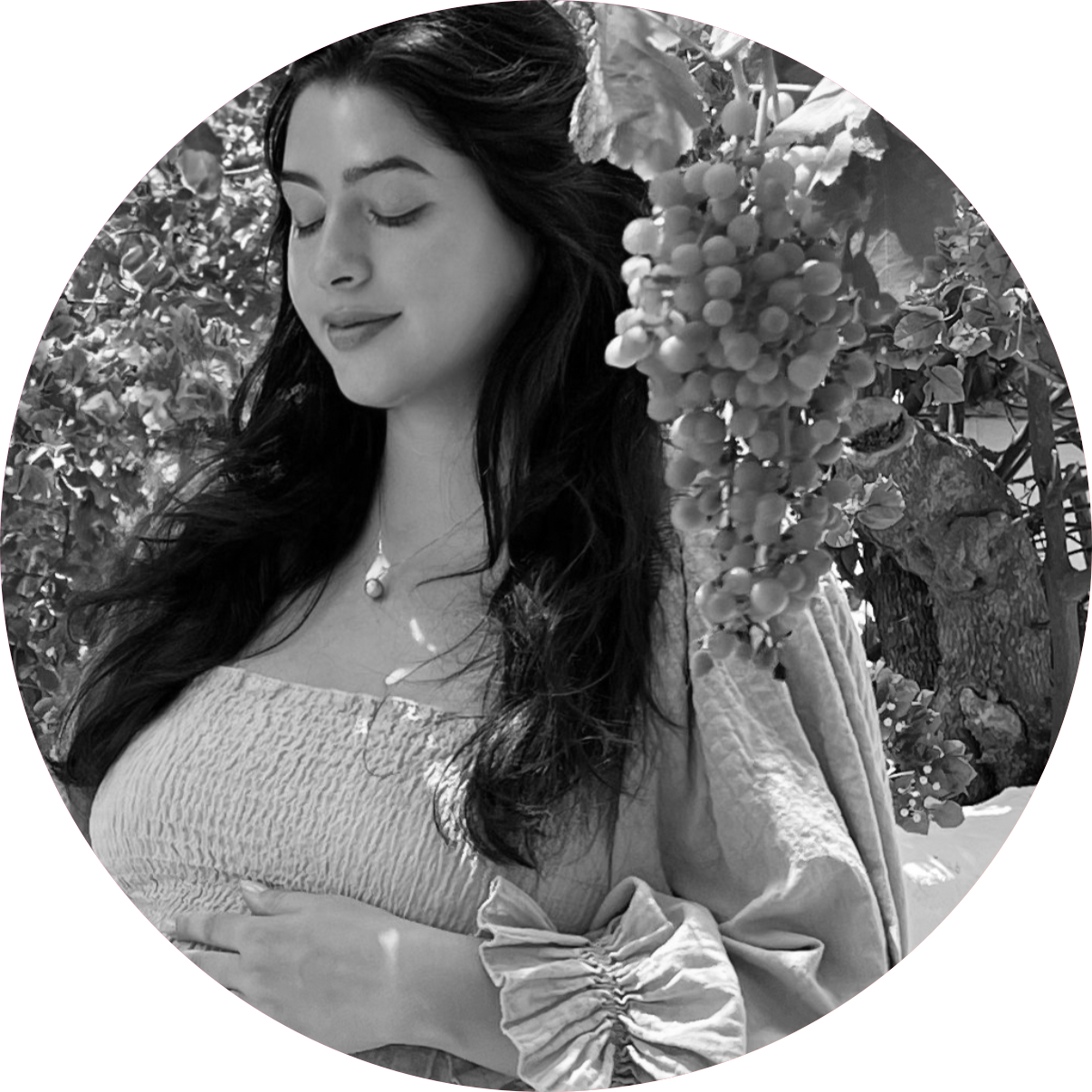
Vanessa Violette Arias Bujia. Es Castell, 2024.
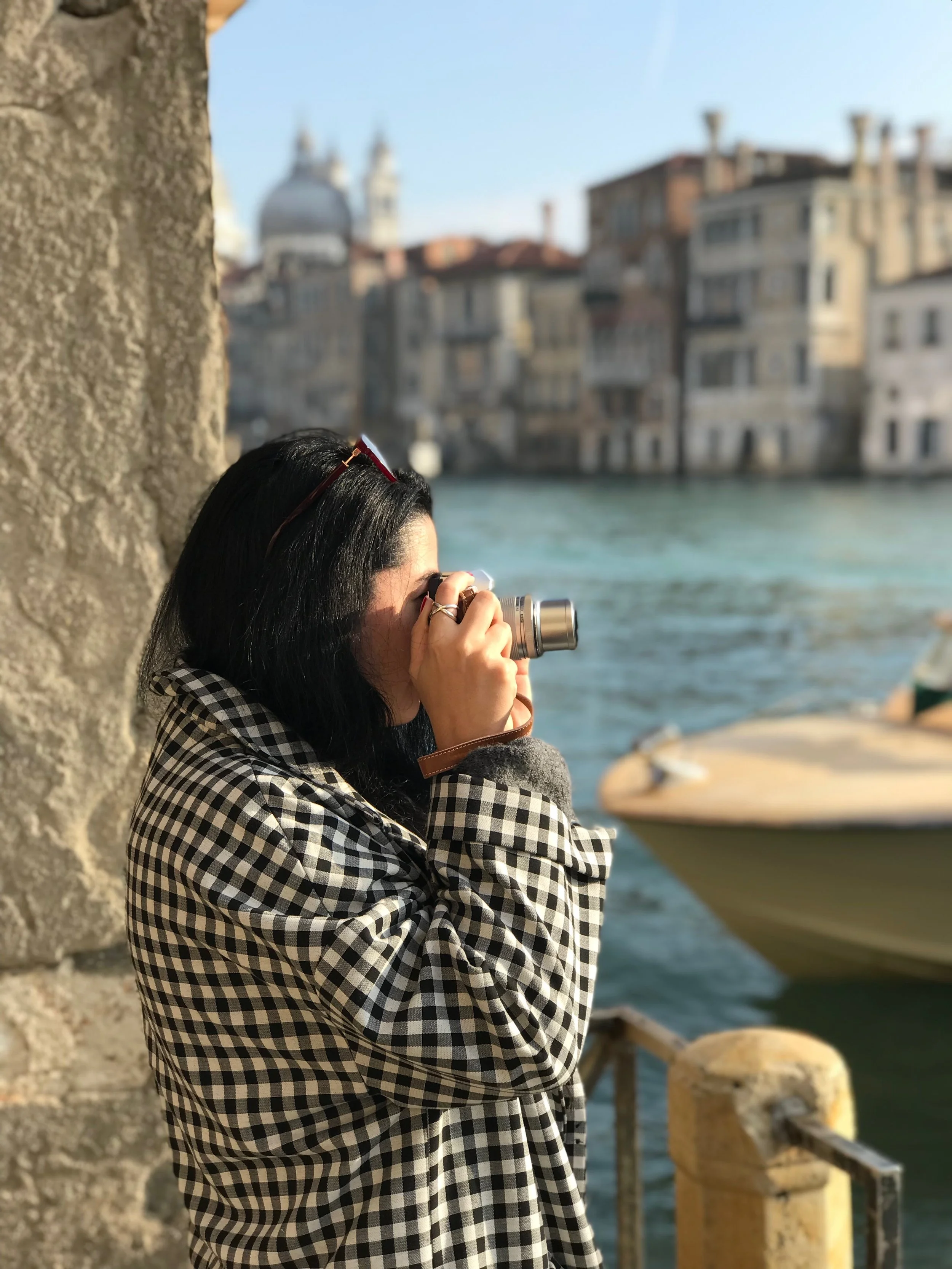
Self. Grand Canal, 2018.
UKRI AHRC funded Collaborative Doctoral research at Tate with the University of Leeds
MA Arts Management and Heritage Studies
BA (Hons) Classical Civilisation
Photography, Art and Architecture at Central Saint Martins, London
Sustainable Cultural and Creative Leadership University of Groningen.
Sustainable and Digital Cultural Heritage. Università degli studi Roma TRE
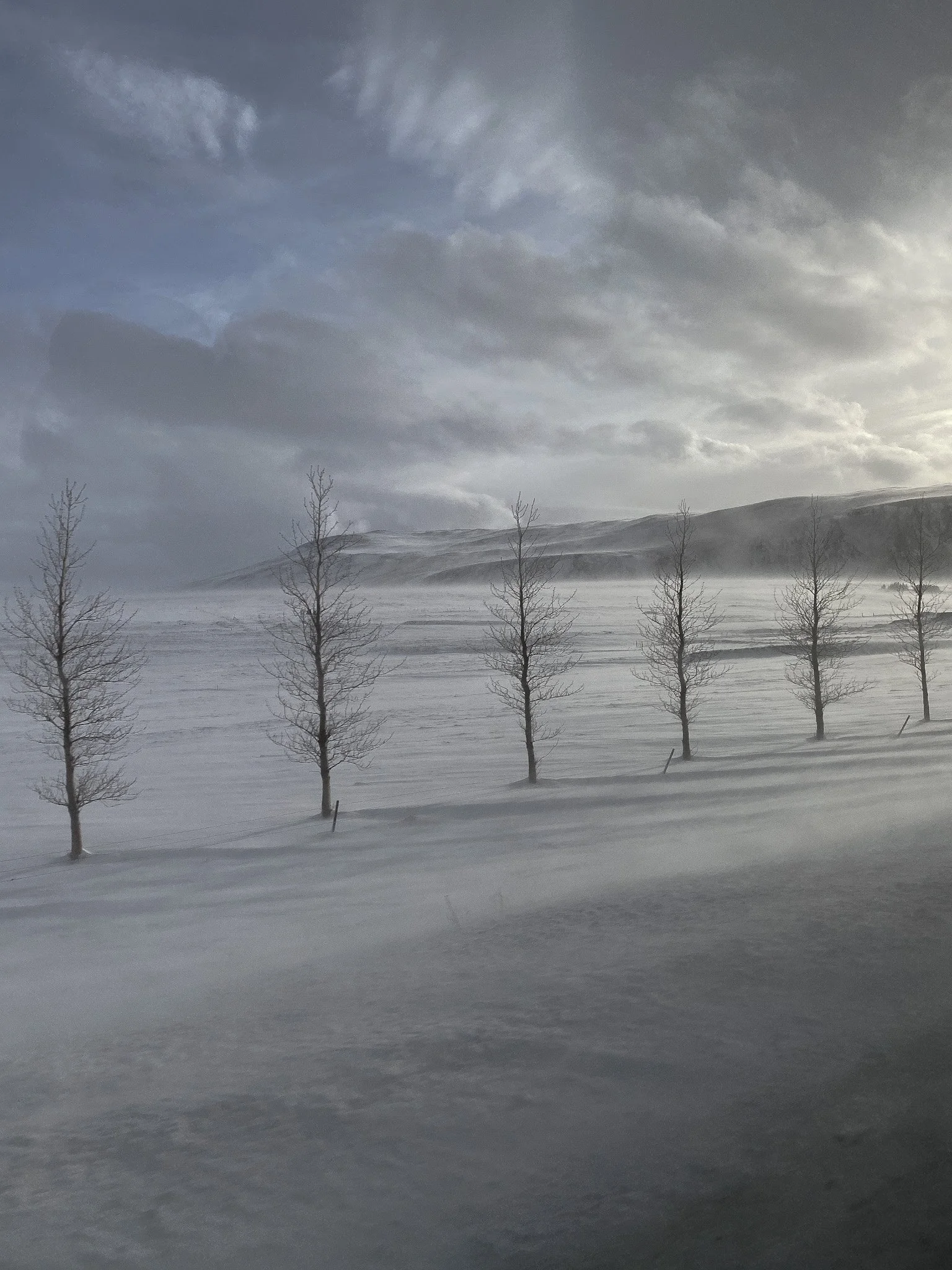
Solitude. Þingvellir, 2020.
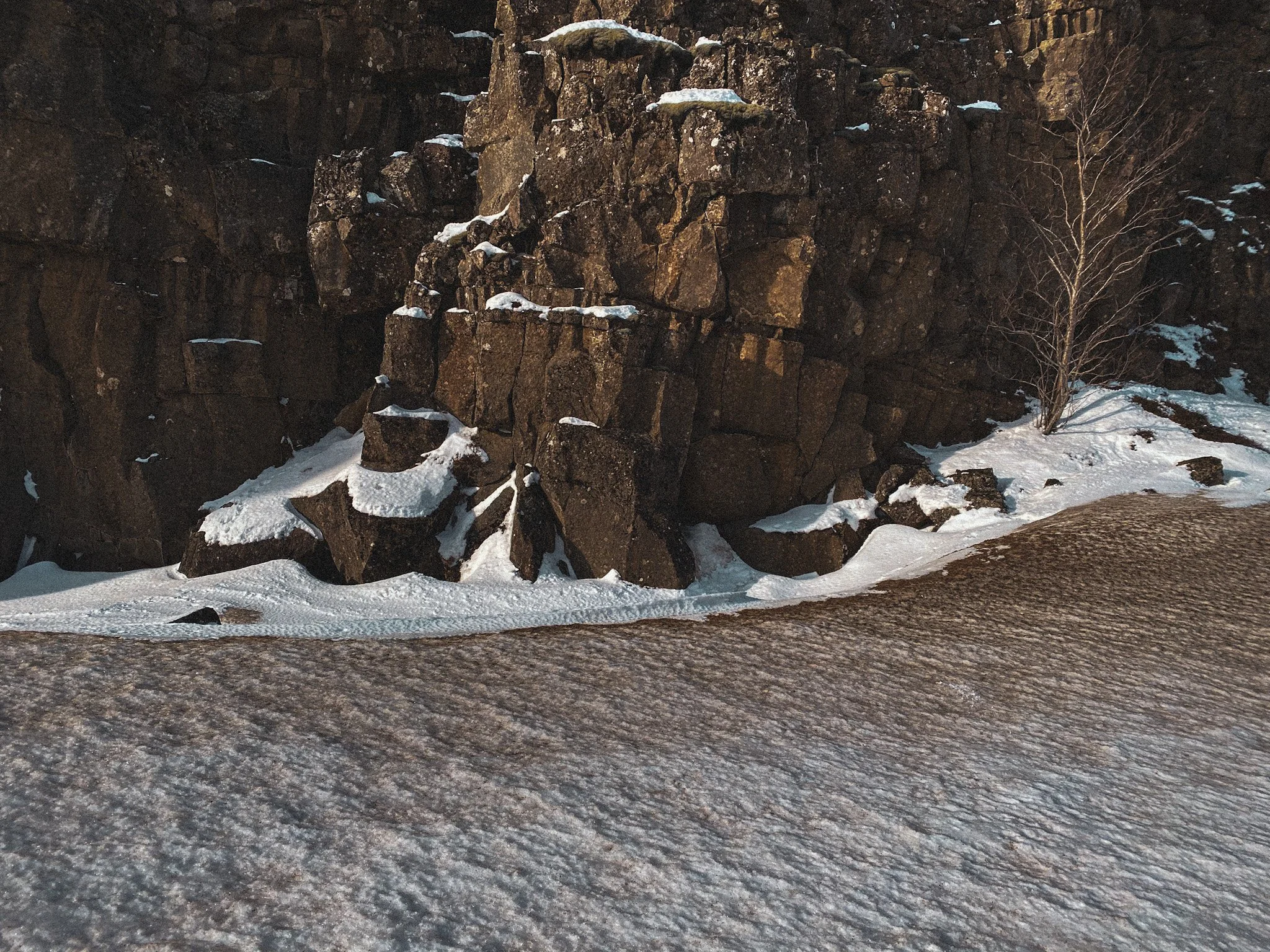
“I trace the lines and textures of nature through my typewriter, then develop the visual embodiment of written word.
An envisioned record created through my photographic lens, or other tactile medium, I craft multi-sensory experience through visual and textual plays, using light as a guide to imagine.”
Seren. Þingvellir, 2020.
My Research Practice
Gardens
My personal love story with gardens started with the ancient world. Of Greek and Roman villas, sacred groves, courtyards and sculptural waterscapes. The choreography of moving between the architecture of status, and sanctified space. Personal experience, however, has taught me about the gardens people make under far less than ideal conditions. Urban plots, rented ground, flooded soil, difficult boundaries, inherited planting and temporary homes. To explore what happens when the grand history of sumptious garden design meets lived experience. When there are not acres, but those of us who adapt, improvise, plant anyway, and make beauty and belonging from whatever patch of ground we have.
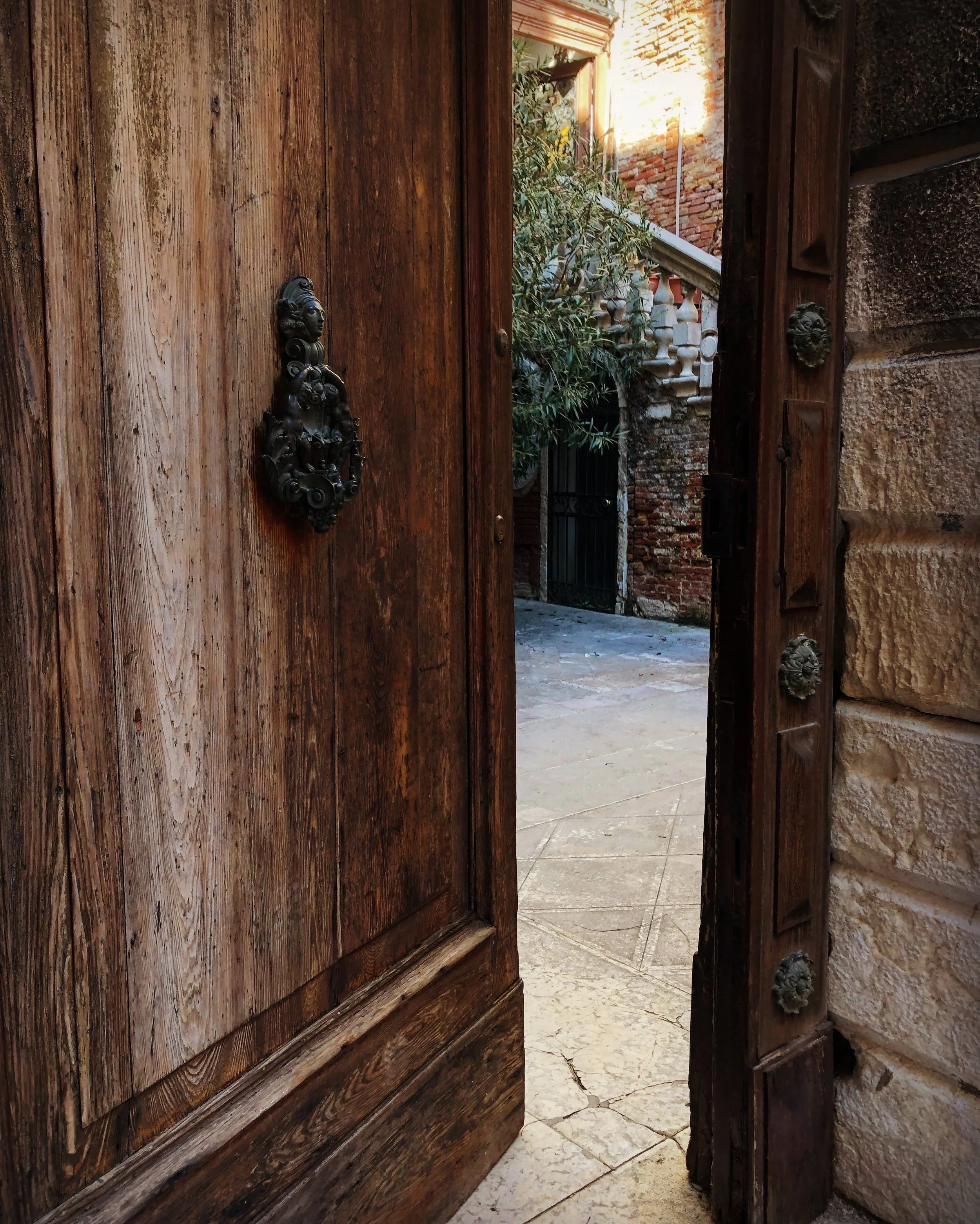
Within. Fondamenta de la Fenice, 2018.
Placemaking ~ Physical and Digital
My research explores how places are designed, experienced and reimagined across both physical and digital environments. The relationship between structure, access, participation and environment, guides how I ultimately envisage space as sensory and experiential.. How architecture, spatial organisation, digital platforms and institutional choices shape who feels invited into a place, how they encounter it, and whether they are able to see themselves within it. Moving between cultural spaces, landscapes and socio-digital environments, I examine placemaking as an active process through which institutions and communities continually negotiate presence, connection and inclusion.
Archival Research
To trace the belonging and inclusion of place, archives can be used as a way to connect the pieces lost through time. Names attached to land, mapped ruins that were once occupied, the letters sent from one home to another. Through manuscript and cartographic research, I look at the ways belonging becomes written into place itself, across memory, migration and ritual. To understand not simply where people lived, but how they made somewhere their world, and how a place can be reimagined elsewhere, long after it has been left behind.
The flood-eve. Gargrave, 2020.
Visual Culture
Our lives are formed into memories, from the ways we learn to see a place before we ever know it. Photography, art, architecture and moving image, all converge in the essence of making somewhere feel familiar, even when we have never been there. What happens when we cannot be situated in a place, but so desperately long for it? Can memory and feeling be recreated from the seen and recorded? From historic photography and artworks, to the visual worlds created by cultural institutions today, we are ever-shifting towards an imagined existence of the nature we so yearn to connect with.